

Blog
How Much Do Composite Doors Cost In 2026 And Are They Worth The Money?
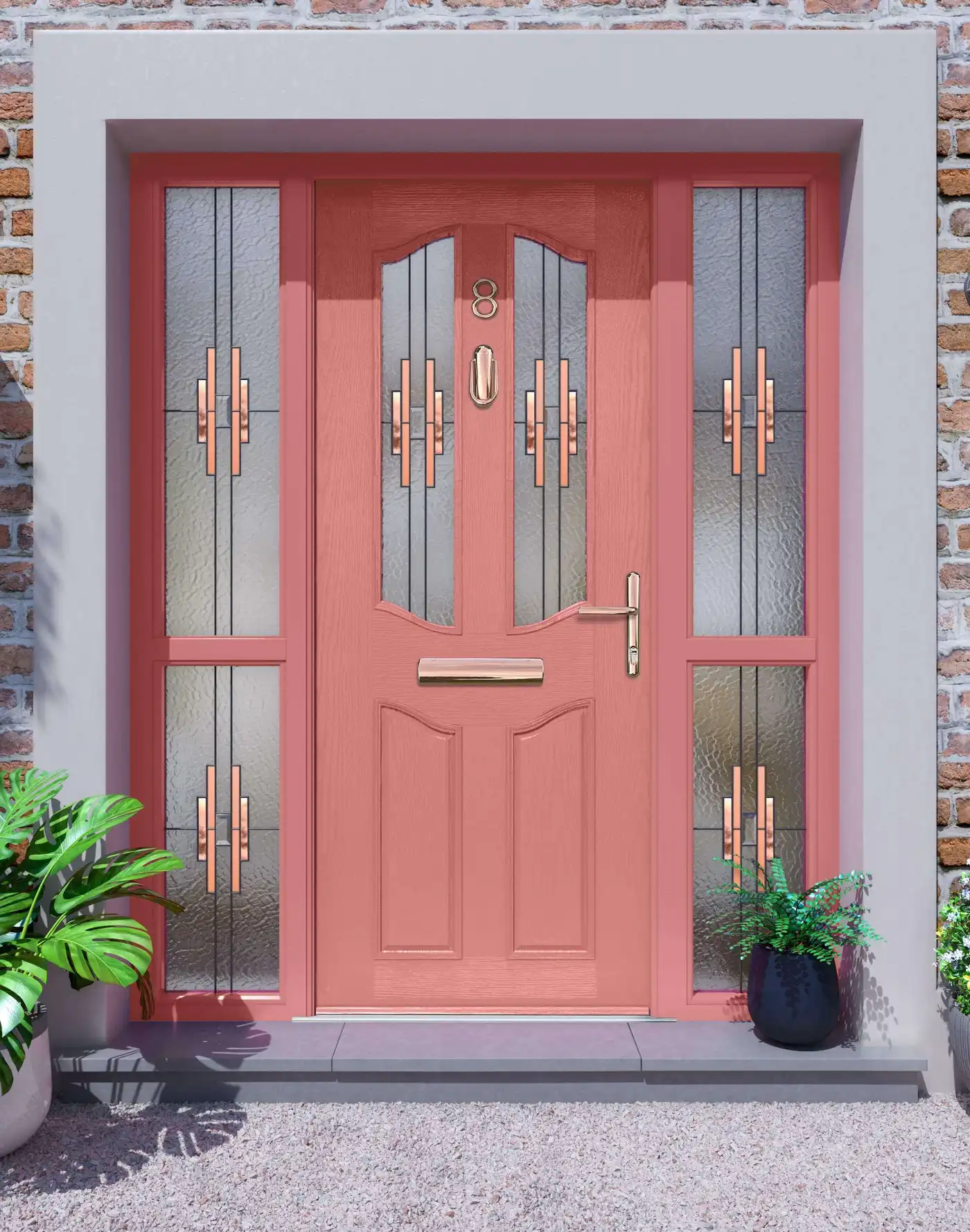
A new composite front door in the UK typically costs between £1,500 and £4,000 fully fitted in 2026. Where yours lands in that range depends on the door’s thickness, glazing, colour, hardware and the complexity of the installation.
Composite doors are widely regarded as the premium choice in the UK, and with that reputation comes a higher price tag than uPVC or traditional timber. At Apeer, we manufacture composite doors for installers across the UK and Ireland, so price is one of the questions we hear most often. Below, we break down what actually drives the cost, what a fair quote should include, and whether a composite door is worth the investment for your home.
How Much Does A Composite Door Cost Fitted In The UK?
In the UK, the average cost of a composite front door in 2026 typically ranges between £1,500 and £4,000+ fully installed.
The final price depends on several factors, including:
- Door thickness and core construction
- Door size
- Glazing style and triple-glazed upgrades
- Hardware and locking systems
- Colour finish (standard vs bespoke RAL colours)
- Additional features (side panels or top lights)
- Installation complexity
A simpler 44mm door with minimal glazing will sit at the lower end of the range. A premium 70mm door with triple glazing, sidelights and upgraded security hardware will sit toward the higher end.
| Where your door sits | Typical specification |
| Lower end of the £1,500–£4,000 guide | A 44mm door such as Apeer44, solid or with minimal glass, a standard colour, standard hardware and a like-for-like replacement |
| Middle of the range | A 70mm door, a decorative glass design, a popular colour inside and out, and an upgraded handle and letterbox |
| Upper end and above | A 70mm door with triple or quadruple glazing, side panels or a toplight, a bespoke RAL colour, statement hardware and security upgrades |
These figures are a guide, not a quote. The cost depends on the design, glazing, colour, hardware and installation requirements. For an accurate price, it’s best to design your preferred door and speak to a retailer or installer.
Supply-Only Vs Fitted: What’s Included In The Price?
Most homeowners buy their composite door fitted through a local installer. A fitted price usually covers the door and frame, removal and disposal of your old door, fitting the new one, and sealing and finishing around the frame.
Supply-only prices can look cheaper, but you’re then left to arrange and pay for the fitting separately. It can also complicate the warranty. Your warranty for an Apeer door sits with the installer or supplier you buy from, so with a fitted door, one person is responsible for both the door and the installation. That matters, because issues such as draughts, a door that drops, or a stiff-to-throw lock are often down to how the door was fitted rather than the door itself.
When comparing quotes, check whether each one includes removing your old door, any making good to plaster or brickwork, and a new threshold if your current one is worn. You can read more about choosing the right threshold in our guide.
What Affects The Cost Of A Composite Door?
When comparing composite door prices, it’s important to understand that you’re not simply buying a door. You’re also choosing a level of engineering, insulation and design.
Door Thickness: 44mm vs 70mm
Door depth is often the first distinction. A 44mm composite door provides dependable strength and thermal performance, making it ideal for straightforward upgrades. A 70mm construction increases insulation and rigidity, giving a noticeably more solid feel. Our flagship Apeer70 range has a 70mm core, roughly 60% thicker than many other doors on the market.
Glazing
Large glazed panels, decorative glass designs and higher-performance glass all add to the final figure. Triple- or quadruple-glazed units, with an optional gas-fill, improve thermal performance, but they cost more than a standard glass unit.
Colour
Choosing from our 30+ standard colours keeps costs down, and you can choose a different colour inside and out. A bespoke RAL colour match adds to the price, but it’s a good option if you want your door to match windows or other features exactly. You can browse the full range on our colour palette page.
Hardware And Security
Every Apeer door comes with multi-point locking, anti-snap, anti-pick and anti-drill cylinders and steel hinge bolts as standard, as part of a Secured by Design accredited system. That means most hardware upgrades are about style (statement handles, knockers and letterboxes) or convenience, such as smart locks. You can see what’s included in our security features.
Side Panels and Toplights
Side panels and toplights bring more light into your hallway and create a grander entrance. Each one is made to measure and glazed to match the door, so they add noticeably to the overall cost.
Installation
Installation quality is just as important as the door itself. Poor installation can lead to draughts, swelling or misalignment, even with a high-quality product. Replacing a standard-sized door like for like is simpler than an installation that needs the opening altered, a new sill or extra making good.
In essence, composite door pricing reflects the level of craftsmanship, materials and specification involved. The higher the performance and design ambition, the greater the investment, but also the greater the impact and longevity.
Composite vs uPVC vs Aluminium Door Prices
While uPVC is the most affordable upfront, composite and aluminium doors offer higher security, improved durability and stronger overall performance.
| Door type | Typical upfront cost | Construction | Maintenance |
| uPVC | Usually the cheapest option | Mainly plastic, with a lightweight core | Low, but can discolour or lose rigidity over time |
| Composite | £1,500–£4,000+ fitted (guide) | GRP skin, high-density insulated core, steel reinforcement | Low. Wipe clean, and the colour won’t crack or peel |
| Aluminium | Often similar to or higher than composite, especially thermally broken systems | Aluminium frame and panel | Low |
For a full side-by-side look at security, insulation and style, see our composite vs aluminium vs uPVC comparison.
Why Are Composite Doors More Expensive Than uPVC?
Composite doors cost more because they are built differently. Unlike uPVC doors, which are primarily plastic with a lightweight core, composite doors combine multiple high-performance materials, including reinforced insulated cores, fibreglass (GRP) skins, steel reinforcements and advanced weather seals. This layered construction improves strength, insulation and longevity, but it also increases manufacturing cost.
How Much Do Composite Back Doors And Stable Doors Cost?
Back doors are often simpler than front doors, with plainer glazing and less statement hardware, so they tend to sit towards the lower end of the range. Stable doors usually cost more than a standard single door of the same size, because they are effectively two leaves, each with its own locking and hinges.
If you’re considering one, our guide to composite stable doors explains how they work, and you can see the styles available in our stable door range.
Is My Composite Door Quote Fair? What A Good Quote Should Include
It’s normal for quotes to vary by several hundred pounds, even for doors that look identical in a brochure. The difference is usually in what’s inside the door and what’s included in the fitting. Before you compare prices, check that each quote tells you:
- The manufacturer and door range, and the thickness of the door
- The glazing specification (double, triple or quadruple)
- The locking system and cylinder grade
- Whether the frame, threshold and removal of your old door are included
- Who holds the warranty, and what it covers
If one quote is much cheaper than the others, ask what’s different. It’s often a thinner or hollow door, lower-grade glass, or a basic cylinder, which are all things you’ll notice over the next few decades. You can find an approved installer near you using our retailer finder.
How Long Does A Composite Door Last?
A high-quality composite door should last 30 years or more with proper care. Unlike timber doors, it won’t rot or warp easily, and unlike uPVC doors, it resists bowing and colour fading far better over time.
When you spread the cost of a composite door over three decades, the annual cost becomes surprisingly reasonable. For example, a £3,000 door lasting 30 years works out at roughly £100 per year for improved insulation, security and kerb appeal.
Do Composite Doors Save Money On Energy Bills?
Energy costs remain a major concern for UK homeowners in 2026. High-quality composite doors can achieve U-values as low as 0.7 W/m²K, helping reduce heat loss through your entrance.
A new door won’t transform your entire heating bill, but it will reduce draughts, keep your hallway warmer, improve overall energy efficiency and contribute towards your EPC performance.
Learn more about our A-rated doors or about how our doors keep the heat in.
Are Composite Doors Worth The Money?
It comes down to your goals. For many homeowners, the answer is yes, especially if you plan to stay in your property long term. A composite door offers:
- 30+ year lifespan
- High security with multi-point locking
- Strong thermal performance
- Minimal maintenance
- Better weather resistance
- Long-lasting colour finish
- Increased kerb appeal
If you’re replacing a tired door that already needs regular maintenance, a composite upgrade is often a smart long-term investment.
What Are The Downsides Of A Composite Door?
They’re not the right choice for everyone. A composite door costs more upfront than uPVC, and because each one is made to order, you’ll usually wait longer than you would for an off-the-shelf door. Not all composite doors are built the same, either. A cheaper, lightly filled door won’t give you the strength or insulation of a solid high-density core. If you’re planning to move within a couple of years and just want a tidy, secure door, uPVC may make more financial sense.
If you’d like to understand composite doors in more depth before you decide, check out our complete guide to composite doors.
Grants And Help With The Cost In Ireland
If you live in the Republic of Ireland, you may be eligible for an SEAI grant towards an energy-efficient external door. Grant amounts and eligibility are reviewed periodically, so it’s worth checking the latest details before you budget. Our SEAI door grant guide explains how it works.
How To Get An Accurate Composite Door Price
Because composite doors are made to order, the only way to get a truly accurate quote is to design the exact door you want. The simplest way to do this is with our Composite Door Builder. You can choose between traditional and contemporary styles, select your preferred frame style, customise the inside and outside colours, and explore a wide range of glass designs and door furniture.
While the upfront cost is higher than with basic alternatives, the lifespan, performance and low maintenance often make a composite door the more cost-effective option over time. Once you’ve designed your door, find a retailer near you for a fitted quote. If you have questions about pricing, installation or performance, our team is always happy to help.
Composite Door Cost FAQs
How much should a composite door cost fitted in the UK?
As a guide, most fitted composite front doors in the UK cost between £1,500 and £4,000+, depending on design and installation complexity. A quote well below that range usually indicates a thinner or hollow door, basic glass, or a lower-grade lock, so it’s worth asking what’s included.
Are composite doors cheaper than uPVC?
No. Composite doors usually cost more upfront than uPVC because of their insulated core, GRP skin and steel reinforcement. Many homeowners find the longer lifespan and lower maintenance make up the difference over time.
Are composite doors more expensive than aluminium?
Not always. Aluminium doors often start at a higher price point, particularly for thermally broken systems.
Is it cheaper to buy a composite door supply-only?
The door itself can cost less supply-only, but you’ll need to arrange and pay for fitting separately. With a fitted door, one installer is responsible for the door, the installation and the warranty.
What are the disadvantages of a composite door?
The main ones are a higher upfront cost than uPVC and a longer wait, because each door is made to order. Quality also varies between manufacturers, so check the core, thickness and warranty before you buy.
What is the cheapest type of composite door?
Simpler 44mm designs with minimal glazing and standard colours are generally the most affordable options.
Is it worth upgrading to a 70mm composite door?
If insulation and security are priorities, the additional thickness can offer noticeable performance improvements.
Do composite doors add value to your home?
A high-quality composite entrance door can enhance kerb appeal, improve security and boost thermal efficiency. Better insulation reduces heat loss and draughts, improving energy performance and potentially your EPC rating. Together, these factors can positively influence perceived property value and buyer appeal when it comes time to sell.